

Few foods inspire the kind of devotion that donuts do. From the first warm bite…
What Makes a Great Donut: A Buyer’s Guide to Spotting Quality
A bright window sign or a fresh batch of photos online can pull you through the door, but the real measure of a donut shop is what lands in the box. Knowing what separates a truly great donut from an ordinary one helps you order with confidence, whether you are exploring a new spot or returning to a longtime favorite. Here is how to read the signs of quality, from the dough itself to the moment you take your first bite.
Freshness Is the First Signal
The single biggest factor in donut quality is how recently it was fried. A yeast-raised donut is at its peak within a few hours of being made, when the crumb is still light and the glaze has just set into a thin, glossy shell. As the day wears on, the interior dries out and the texture turns dense. This is why so many beloved shops open early and sell out by mid-morning rather than holding inventory all day.
When you walk in, look for a few honest clues that the donuts are fresh:
- Visible production: Open kitchens or the smell of frying oil suggest donuts are made on-site that morning.
- Glaze that still shines: A wet, reflective glaze means it was dipped recently; a dull or crusted glaze has been sitting.
- Steady turnover: Trays that empty and refill throughout the morning beat a fully stocked case that never seems to move.
Yeast Versus Cake: Two Different Crafts
Donuts fall into two broad families, and a strong shop executes at least one of them with real skill. Yeast-raised donuts are leavened with yeast, given time to proof, then fried until they puff into an airy, slightly chewy ring. Classic glazed donuts, filled donuts, and twists belong here. Cake donuts are leavened with baking powder, producing a denser, more tender crumb with crisp edges; old-fashioned sour cream donuts and buttermilk bars are prime examples.
Neither style is better than the other, but they reward different things. A great yeast donut is about lightness and lift, so it should feel almost weightless for its size. A great cake donut is about a craggy, golden crust and a moist center, often with a subtle tang from buttermilk or sour cream. Knowing which family you are biting into tells you what to expect and what to judge it against.
What to Look For Before You Buy
You can learn a lot about a donut before tasting it. Color is one of the clearest tells: a well-fried donut shows an even, golden-brown ring around its middle, often called the “halo,” where it floated at the oil’s surface. Pale donuts were pulled too soon, while dark, greasy ones sat in oil that was too cool and absorbed excess fat. The surface should look dry to the touch rather than slick.
Toppings and fillings deserve the same attention. Quality shops use real fruit preserves, fresh custard, or properly tempered chocolate rather than overly sugary, artificial-tasting coatings. A filled donut should feel pleasantly heavy, a sign it was generously and evenly piped. Sprinkles and glazes should adhere cleanly without sliding off in a sugary slick, which usually means the donut was dipped while still warm.
Pairing and Storing for the Best Experience
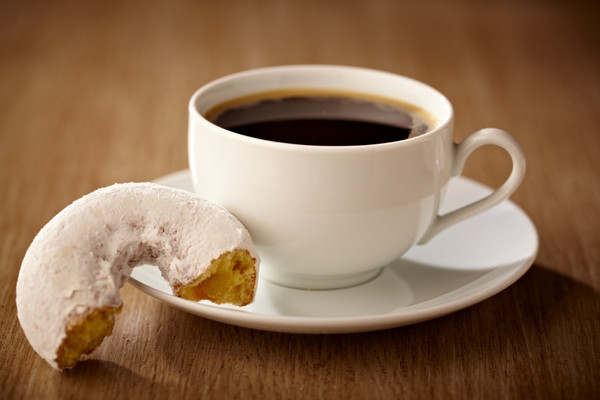
A donut rarely travels alone, and the right pairing sharpens its best qualities. A rich, chocolate-glazed or custard-filled donut stands up to bold black coffee or espresso, while a delicate glazed ring pairs beautifully with a lighter cold brew or a glass of cold milk. Tangy cake donuts and bright fruit-filled varieties play well against a cup of tea.
If you cannot eat your donuts right away, store them in a loosely closed paper bag or container at room temperature and enjoy them the same day. Refrigeration is the enemy of donuts, drying them out far faster than the counter would. For yeast donuts that have lost their first-day magic, a few seconds in the microwave or a quick warm in the oven can revive some of the original softness.
Supporting Your Local Shop
Across Dallas-Fort Worth, independent donut shops, many of them family-run, turn out fresh batches before dawn and build their reputations one box at a time. Choosing these local makers over mass-produced alternatives means fresher product, friendlier service, and a small business that takes pride in its craft.
Great donuts are not an accident; they are the result of fresh dough, careful frying, and honest ingredients. Once you know what to look for, every visit becomes a chance to find the shop that does it best and to enjoy a better donut for it.

