

Few foods inspire the kind of devotion that donuts do. From the first warm bite…
The Most Popular Donut Varieties and What Makes Each One Special
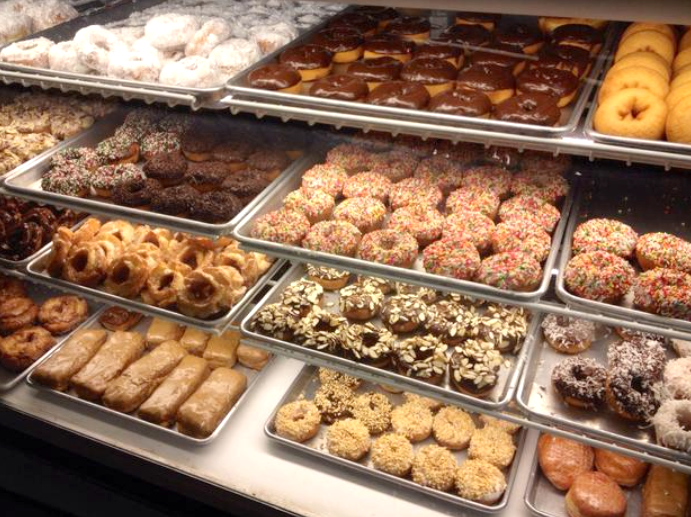
Walk into any donut shop in Dallas-Fort Worth before sunrise and you will see the same scene play out: glass cases filling with neat rows of rings, twists, and filled pastries, each one a small study in dough and sugar. While bakers experiment constantly, a handful of classic styles have earned permanent spots on the menu because they simply deliver. This guide breaks down the most popular donut varieties, what sets each apart, and how to pick the right one for your morning.
Glazed and Yeast-Raised Donuts
The glazed yeast donut is the quiet champion of nearly every shop. Made from a leavened dough that rises before frying, it develops an airy, pillowy interior and a delicate crust that is dipped in a thin sugar glaze while still warm. The glaze sets into a faint shell that shatters softly with each bite. Because the dough is mild and the sweetness restrained, the glazed donut pairs with almost anything and is often the truest test of a bakery’s skill.
Yeast-raised dough is also the foundation for many other favorites, including bars, twists, and rings finished with chocolate or maple. If you want to judge a new shop quickly, order a plain glazed first. When the texture is light and the glaze is fresh rather than crackly and stale, the rest of the case is usually worth exploring.
Cake Donuts and Old-Fashioneds
Cake donuts take a completely different path. Instead of yeast, they rely on baking powder or baking soda for lift, which produces a denser, more tender crumb with a slightly crisp exterior. They tend to hold flavor strongly, which is why cinnamon, nutmeg, and buttermilk versions are so beloved. The old-fashioned, with its craggy ridges and cracked surface, is the cake donut at its best: those crevices catch extra glaze and fry up extra crisp.
Because cake batter is sturdier, these donuts travel well and stay satisfying a few hours after frying. They are a natural match for unsweetened black coffee, where the bitterness balances the rich, buttery crumb.
Filled Donuts
Filled donuts trade the center hole for a pocket of something indulgent. The dough is fried whole, then injected after cooling so the filling stays bright and distinct. The most enduring varieties include:
- Jelly or jam-filled: usually rolled in granulated sugar, with raspberry and strawberry the classic choices.
- Bavarian cream: a smooth vanilla custard, often topped with chocolate.
- Boston cream: custard inside with a glossy chocolate glaze, modeled on the cream pie.
- Lemon: a tart curd that cuts through the richness of the fried dough.
Filled donuts reward freshness more than any other style, since a soggy shell or a thin, watery filling gives the whole thing away. A well-made one feels generous without tipping into cloying.
Specialty and Regional Favorites
Beyond the staples, regional and shop-specific creations keep the category exciting. Apple fritters fold chunks of spiced fruit into a craggy, deep-fried mass. Maple bars bring a long rectangle of yeast dough under a sheet of maple icing. Crullers, made from choux-style dough, are light and ridged with a satisfying chew. In Texas you will also find kolache-influenced bakeries, a legacy of Czech settlers, sitting right alongside the donut case, blurring the line between savory and sweet morning pastry.
Modern shops have added their own twists too, from cereal-topped rings to brown-butter glazes and seasonal fruit fillings. These rotating specials are where bakers show personality, and they are a good reason to ask the counter what came out of the fryer most recently.
How to Choose Your Donut
The best donut depends on the moment. For a light start with coffee, a glazed yeast ring or a cruller keeps things easy. When you want something substantial, a cake old-fashioned or an apple fritter eats almost like breakfast. Filled donuts are best as a treat to savor slowly, ideally within hours of frying. A simple rule helps across the board:
- Buy early: the first few hours after frying are when texture peaks.
- Match the coffee: sweeter donuts shine with black coffee, while plain ones welcome cream.
- Eat same-day: donuts rarely improve overnight, so order only what you will finish.
Popularity in the donut world is really a vote for balance: the right ratio of dough to glaze, freshness to flavor, and indulgence to restraint. Whether you lean toward a humble glazed ring or a custard-filled showpiece, the classics stay popular for a reason. Next time you are scanning a Dallas-Fort Worth donut case, you will know exactly what each style promises and how to make it your own.

