

Few foods inspire the kind of devotion that donuts do. From the first warm bite…
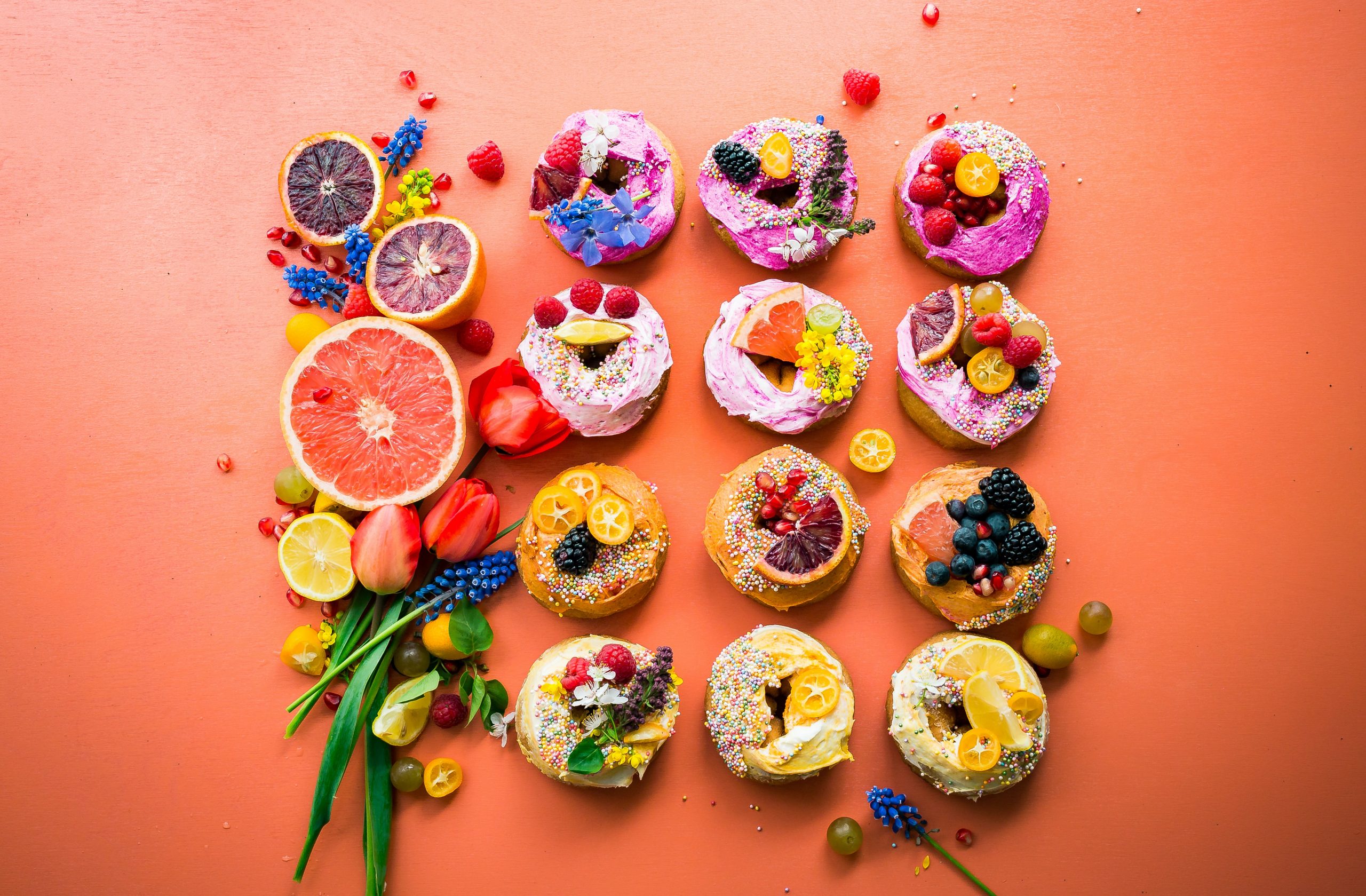
The Art of Cute Donuts: How Decorated Donuts Are Designed and Made
Few things brighten a bakery case like a row of cute, character-decorated donuts. Behind those smiling faces and pastel glazes is real craft, from the dough beneath to the steady hand piping the final detail. This guide explains how decorative donuts are built, what makes a design hold up, and how to enjoy and recreate them at home.
What Makes a Donut “Cute”
A cute donut is really an exercise in visual balance. Decorators rely on bright but harmonious colors, simple recognizable shapes, and clean negative space so the eye reads the design instantly. The ring or round shape of a donut naturally suggests a face, which is why animals, flowers, and cartoon characters translate so well onto the surface.
Most charming designs follow a few shared principles that anyone can use as a checklist when ordering or decorating:
- Strong base color: a smooth, fully set glaze gives every other element something to sit on.
- Limited palette: two or three colors usually look tidier than a rainbow of clashing tones.
- Clear focal point: one face, flower, or motif reads better than a crowded surface.
- Symmetry or intentional asymmetry: evenly placed eyes and accents feel deliberate, not accidental.
The Foundation: Dough and Glaze
Decoration only succeeds when the donut underneath is right. The two main styles are yeast-raised donuts, which are light, airy, and slightly chewy, and cake donuts, which are denser and made with chemical leaveners like baking powder. Cake donuts hold heavier decorations well because their firm, flatter tops resist sagging, while yeast donuts offer a pillowy bite that pairs nicely with lighter glazes.
The glaze is both flavor and canvas. A classic glaze is simply powdered sugar thinned with milk or water and a touch of vanilla, sometimes warmed so it self-levels into a glossy sheet. For colored or character work, decorators often use a thicker fondant-style icing or tempered candy coating that sets firm enough to be drawn on without smearing the layer below.
Tools and Techniques Decorators Use
Professional-looking donuts come from a small set of reliable techniques rather than expensive equipment. Decorators dip the donut for an even base, let it set, then add detail in stages so each layer firms before the next is applied. Patience between steps is the single biggest difference between a clean design and a muddy one.
- Dipping: inverting the donut into warm glaze for a uniform, drip-free coat.
- Piping: using a small round tip or a squeeze bottle for outlines, dots, and facial features.
- Sprinkles and sanding sugar: applied while the glaze is still wet so they anchor in place.
- Edible markers and melted chocolate: for fine lines, whiskers, and tiny expressions.
Temperature control matters throughout. If a coating is too warm it runs and blurs; too cool and it clumps. Working in small batches keeps the icing in that workable window.
Cute Donuts in the Dallas-Fort Worth Scene
Across North Texas, independent shops have turned decorated donuts into a local signature, from seasonal character rings to custom boxes for birthdays and school events. Many DFW bakeries take special orders, so it is worth calling ahead a day or two if you want a themed assortment for a party. Buying from a neighborhood shop also means the donuts are usually fried that morning, which keeps both the texture and the decoration at their best.
When you pick up a decorated box, plan to enjoy it the same day. Glazes and fondant accents are at peak appearance and flavor within hours of being made, and refrigeration tends to dull the glaze and stale the crumb faster than room temperature storage in a loosely closed box.
Trying It at Home
Recreating cute donuts is approachable for home bakers. Start with a baked or fried plain donut, make a basic powdered-sugar glaze, and divide it into small bowls to tint with a few drops of gel food coloring. Dip first, let the base set on a wire rack for several minutes, then add features with a squeeze bottle or a zip-top bag with a tiny corner snipped off.
The most useful habit is to keep designs simple and let each layer dry. A single tinted face with two dot eyes often looks more polished than an over-decorated attempt, and it builds the confidence to try more ambitious motifs next time.
Cute donuts prove that a humble pastry can be a small canvas for creativity. Whether you order a custom box from a local Dallas shop or experiment in your own kitchen, the same fundamentals apply: a great donut underneath, a clean glaze on top, and a little patience between each delightful detail.

