

Walk into a Korean bakery and the donut case looks familiar yet pleasantly foreign. Alongside…
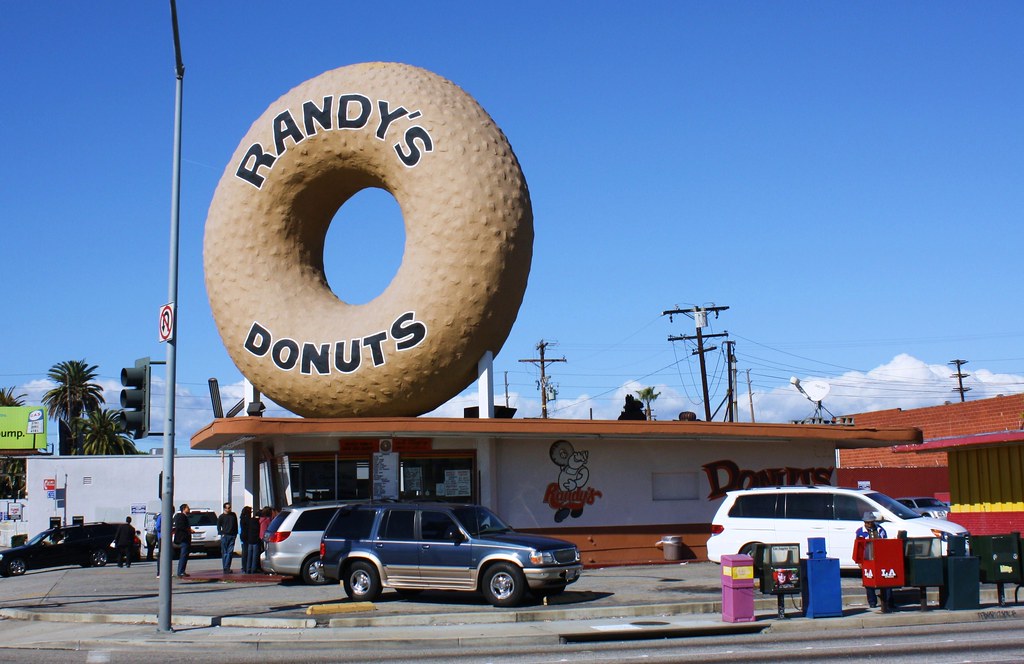
Donut Shops in Movies and TV: Why the Donut Counter Is Pop Culture’s Favorite Set
From late-night cop stakeouts to neon-lit diners, the humble donut shop has earned a surprising amount of screen time over the decades. It is more than a backdrop: filmmakers reach for the donut counter because it instantly signals warmth, routine, and a particular kind of American comfort. Here is a friendly look at why donuts keep showing up on screen, and how that pop-culture love translates to the very real shops here in Dallas-Fort Worth.
Why Filmmakers Love the Donut Shop
A donut shop is a gift to storytellers. It is open at odd hours, it is affordable, and it gathers people from every walk of life around a glass case and a pot of coffee. That makes it the perfect neutral ground for a quiet conversation, a tense meeting, or a moment of small-town charm. The bright fluorescent lighting, the rotating display, and the smell you can almost imagine through the screen all do narrative work without a single line of dialogue.
Donuts also carry built-in symbolism. A fresh, glazed ring suggests indulgence and reward, while a stale one left in a break room hints at neglect or routine gone sour. Directors use these visual shortcuts constantly, which is why a box of donuts on a desk reads instantly as either a peace offering or a guilty pleasure.
The Cop-and-Donut Connection
The most famous on-screen pairing is, of course, police officers and donuts. The stereotype grew from a practical reality: in the mid-20th century, donut shops were among the few businesses open through the night, making them natural stops for officers working long, irregular shifts. Cheap coffee, a warm seat, and a quick bite made them an easy refuge during quiet hours.
Television and film leaned into that image until it became shorthand, sometimes affectionate and sometimes a punchline. Whatever the intent, it cemented the donut shop as a recognizable cultural fixture rather than just a place to buy breakfast. The trope endures because it is rooted in something true about how these shops served their communities at all hours.
Donuts as a Symbol of Comfort and Ritual
Beyond the squad-car cliche, donuts often appear in stories about family, routine, and second chances. A character buying a dozen to bring home, an immigrant family running a corner shop, or two old friends splitting a maple bar over coffee, these scenes use the donut as a small, honest gesture of care. The donut works on screen for the same reason it works in real life: it is approachable, shareable, and tied to memory.
That emotional weight is why the donut box has become a visual icon all its own. A few things filmmakers count on the audience to read instantly include:
- The pink box: a West Coast staple that signals a real, independent shop rather than a chain.
- The glazed ring: universal shorthand for a sweet, simple reward.
- The shared dozen: a quiet symbol of generosity, reunion, or apology.
- The lone donut on a counter: often a beat of loneliness or the calm before something happens.
From the Screen to Your Neighborhood
The on-screen romance with donut shops mirrors a real one. Across the country, and especially in Texas, the independent donut shop remains a genuine community hub. Many local counters open before dawn, run by families who have perfected their recipes over decades and who know their regulars by name and order. That authenticity is exactly what movies try to capture, and it is something you can experience firsthand without buying a ticket.
In the Dallas-Fort Worth area, you do not have to look far for the real version of that cinematic scene. Neighborhood shops here pride themselves on early-morning glazes, hand-cut cake donuts, and the kind of unhurried hospitality that the camera loves. The next time you spot a donut shop in a film, it is worth remembering that a better, fresher version is probably a short drive away.
The Lasting Appeal
Donut shops keep showing up on screen because they represent something audiences instinctively understand: an unpretentious gathering place where good things are simple and within reach. The trope has lasted for generations precisely because it is grounded in reality.
So whether you love spotting the pink box in your favorite film or you simply enjoy a warm donut and a quiet morning, the appeal is the same. The donut counter has always been about more than sugar, and that is a story worth savoring, ideally with a fresh glazed in hand.