

From late-night cop stakeouts to neon-lit diners, the humble donut shop has earned a surprising…
A Day in the Life of a Donut Shop: The Schedule Behind Fresh Donuts
Walk into a donut shop at 7 a.m. and the cases are already glowing with glaze, but the work that made that moment possible started while most of the city was still asleep. Running a donut shop is a craft built around the clock, where timing matters as much as the recipe. Here is an honest look at how the day unfolds for the people behind the counter, and why that rhythm is the secret to a great donut.
The Overnight Shift: Where Donuts Begin
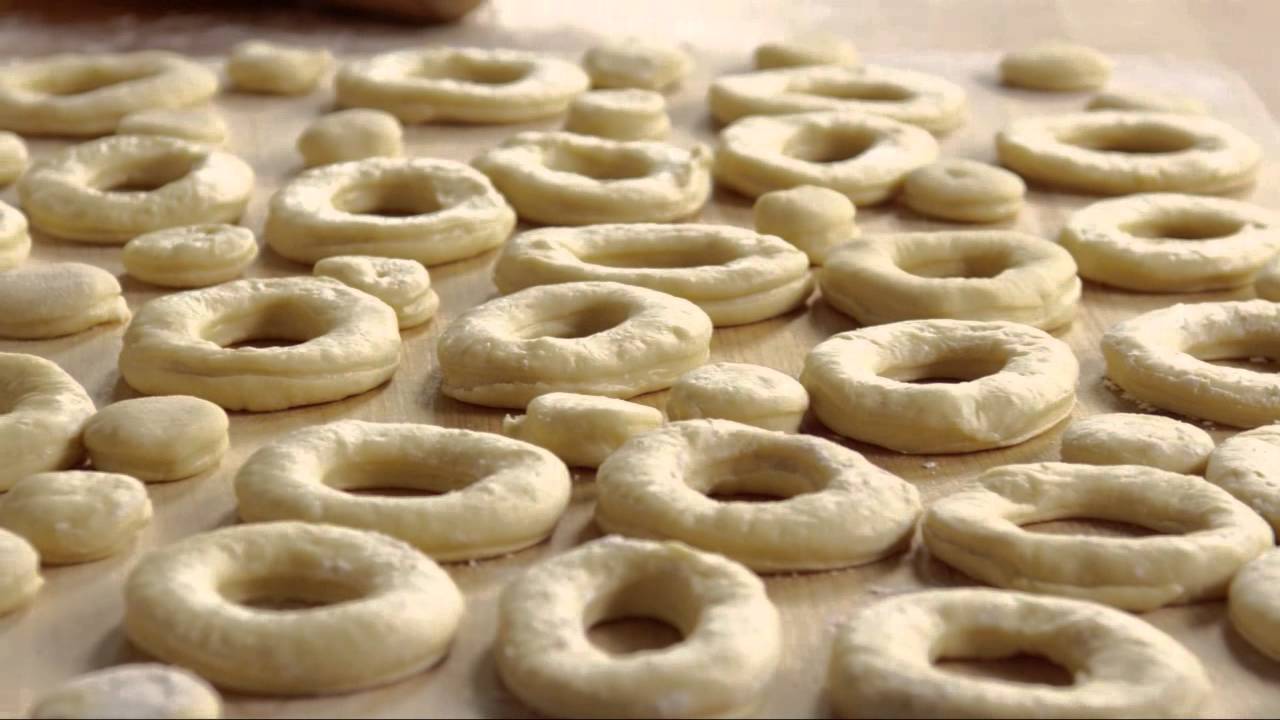
Most independent donut shops, including the family-run spots that fill the Dallas-Fort Worth area, do the heavy lifting long before opening. Yeast-raised doughs need time to proof, so bakers often clock in between midnight and 3 a.m. The first task is mixing and resting the dough, because a yeast donut depends on a slow, controlled rise to develop its airy, pillowy texture. Rush this stage and the donut comes out dense.
While the yeast dough proofs, bakers turn to cake batters and old-fashioned donuts, which do not require fermentation and can be fried sooner. This staggering of tasks is deliberate. A well-run kitchen treats the overnight hours like a relay, with each dough handed off at exactly the right moment so nothing sits too long or goes in too early.
Frying, Glazing, and Filling Before Sunrise
Once the dough has risen, the fryer becomes the heart of the shop. Donuts cook quickly, often around a minute per side in oil held near 350 to 375 degrees Fahrenheit. Temperature control is everything: oil that is too cool makes a greasy donut, while oil that is too hot burns the outside before the inside sets. Experienced fryers read color and float time rather than just watching a clock.
Glazing happens while the donuts are still warm so the sugar coating melts into a thin, glossy shell. After that comes the detail work that takes real patience:
- Filling cream, custard, and jelly donuts by hand with a pastry injector
- Dipping tops in chocolate, maple, or seasonal glazes
- Decorating with sprinkles, nuts, shredded coconut, or drizzle
- Arranging the display case so the most popular varieties are front and center
The Morning Rush and the Counter
By the time the doors open, the front-of-house team takes over. The early-morning rush, roughly 6 to 9 a.m., is the busiest stretch of the day, packed with commuters, parents on school runs, and offices ordering boxes by the dozen. Counter staff move fast, but the best shops still take a moment to recommend a favorite or call regulars by name. That hospitality is part of why neighborhood donut shops endure even in a world of drive-through chains.
Behind the register, the work does not stop. Staff restock the case as trays empty, brew fresh coffee, and keep an eye on which flavors are selling so the kitchen knows what to prioritize. A donut shop lives and dies by freshness, so the goal is to sell through the day’s batch rather than let donuts sit and stale.
Midday Reset and Closing Routines
As the rush fades, the pace shifts to maintenance. Fryers and equipment get cleaned, surfaces are sanitized, and the team begins prepping for the next morning. Many shops also handle special orders during quieter hours, assembling custom boxes for birthdays, office meetings, and weekend events. Inventory checks happen here too, since flour, sugar, oil, and toppings have to be ordered before anything runs short.
Closing is its own discipline. Leftover donuts are often discounted late in the day or donated rather than carried over, because tomorrow’s batch will be made fresh from scratch. A thorough end-of-day cleaning protects food safety and gives the overnight baker a spotless station to start the cycle again.
Why the Schedule Makes the Donut
Every step in this routine exists to protect one thing: a donut that tastes its best within hours of being made. The pre-dawn baking, the careful frying temperatures, and the steady restocking are not just habits but the structure that keeps quality high. It is also demanding work, which is worth remembering the next time you grab a warm dozen on your way to work.
Next time you visit a local Dallas-Fort Worth donut shop, know that the simple pleasure in your hand is the product of a long, well-choreographed night. Supporting these independent makers means supporting an early-rising craft that has changed remarkably little, and that is exactly what keeps the donuts so good.