

Few pastries deliver the quiet drama of a cream-filled donut: a soft, yeasted shell that…
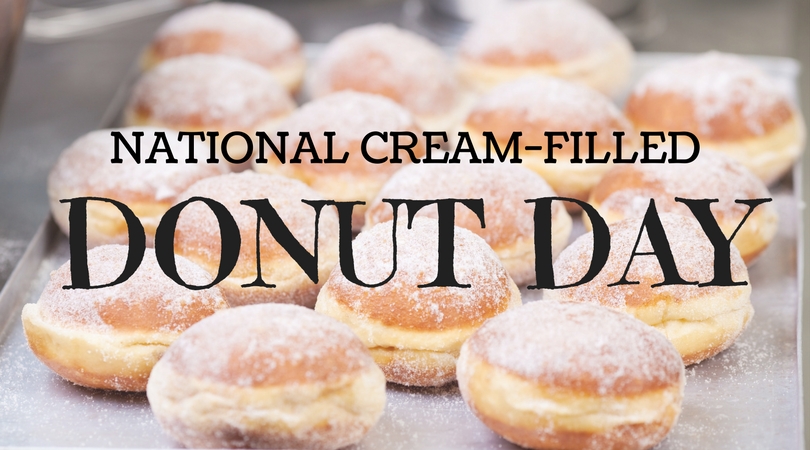
Cream-Filled Donuts: A Guide to Fillings, Styles, and How They’re Made
Few things in a bakery case are as tempting as a plump, sugar-dusted donut hiding a pillow of cream inside. Cream-filled donuts are a category all their own, distinct from jelly-filled and glazed rings, and they reward a little knowledge about what is actually tucked inside. Here is a friendly guide to the fillings, the styles, and the craft behind these bakery favorites.
What Counts as a Cream-Filled Donut
A cream-filled donut starts with an enriched yeast dough that is fried without a center hole, leaving a sealed pocket of soft crumb. After cooling, the donut is injected with a filling through a small hole in the side. Because the dough is never cut open, the filling stays sealed in, which is why a fresh one feels heavy for its size. This construction separates cream-filled donuts from cake donuts and ring donuts, which are typically glazed or topped rather than injected.
The word cream covers more ground than most people expect. In the United States it can mean a vanilla custard, a whipped buttercream, or a light marshmallow-style filling, depending on the shop and the region. Knowing which one you are getting helps you order the donut you actually want.
The Main Types of Cream Fillings
Most cream-filled donuts use one of a few classic fillings, each with its own texture and flavor profile:
- Bavarian cream (a pastry-cream base lightened with whipped cream) is rich, custardy, and often paired with chocolate frosting on top.
- Boston cream uses a similar custard but is the defining filling of the Boston cream donut, finished with a glossy chocolate glaze.
- Vanilla custard (also called crème pâtissière) is thicker and eggy, set with cornstarch and egg yolks.
- Whipped cream or buttercream fillings are lighter and sweeter, common in longjohns and cream-filled bars.
- Marshmallow or crème fillings are airy, very sweet, and shelf-stable, often found in mass-produced snack donuts.
None of these is the “correct” one; they simply suit different cravings. A custard lover and a whipped-cream fan can stand at the same counter and walk away happy.
How Bakers Get the Filling Inside
The filling goes in after frying, never before. Bakers use a piping bag or a filling machine fitted with a long, narrow nozzle called a Bismarck tip. The tip is pushed into the side of the cooled donut, and a measured amount of cream is pumped into the hollow center until the donut plumps up slightly. Timing matters: filling a donut while it is still warm can thin out a custard and make the crumb soggy, so good shops let the donuts cool first.
Refrigeration is the other key detail. Dairy-based custards and Bavarian creams are perishable, which is why a true custard donut is best eaten the day it is made and is often kept chilled. Marshmallow and shortening-based crèmes last longer precisely because they contain little or no fresh dairy, a trade-off between shelf life and flavor.
Cream-Filled Classics Worth Knowing
Several well-loved donuts are defined entirely by their cream filling. The Boston cream donut pairs vanilla custard with chocolate glaze and is essentially a handheld Boston cream pie. The Bavarian is its richer cousin, leaning on whipped, lightened custard. Longjohns and cream bars take the same idea into a rectangular shape, often filled with whipped cream and topped with chocolate or maple icing. Around Dallas and Fort Worth, you will also find these classics sitting beside the famously light, airy donuts that Texas shops, many of them family-run, are known for.
How to Enjoy One at Its Best
A cream-filled donut is at its peak within a few hours of being made, while the crumb is tender and the filling is cool and fresh. If you are pairing it with a drink, a plain black coffee or a lightly bitter espresso balances the sweetness, while a glass of cold milk leans into the dessert side. To keep custard-filled donuts safe and tasting their best, store them in the refrigerator and bring them back toward room temperature for a few minutes before eating so the cream softens.
Cream-filled donuts are a small masterpiece of timing and technique: the right dough, a cooled shell, and a filling chosen to match the moment. Whether you favor a custardy Boston cream or a cloud of whipped buttercream, knowing what is inside makes the next visit to your local Dallas donut shop a little more rewarding.