

Few foods inspire the kind of devotion that donuts do. From the first warm bite…
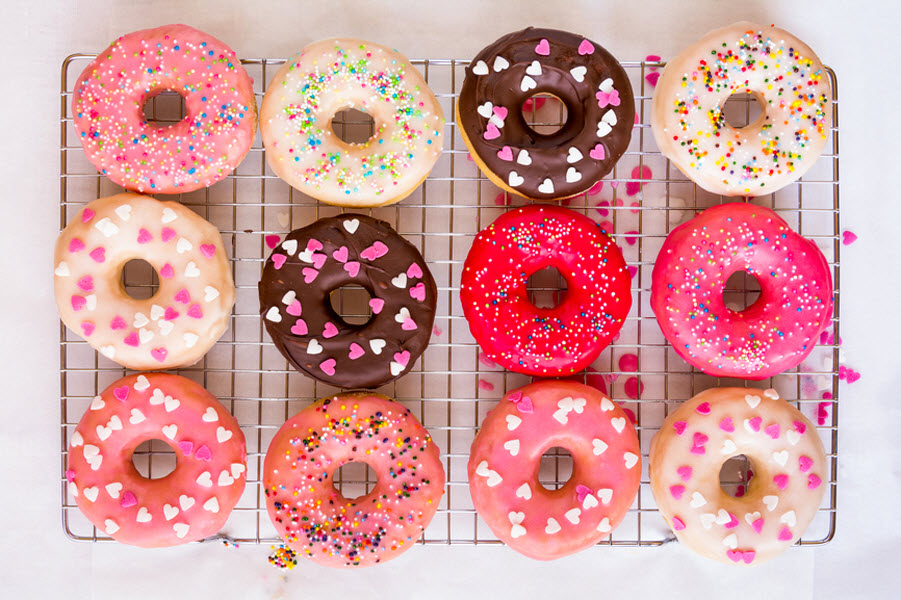
Behind the Counter: The Hard Work That Goes Into Every Fresh Donut
A great donut looks effortless, light, glossy, and gone in three bites. But behind that simple pleasure sits one of the most labor-intensive routines in the food world. From the pre-dawn proofing of yeast dough to the careful timing of the fryer, a fresh donut is the result of skill, patience, and a remarkable amount of early-morning hard work. Here in the Dallas-Fort Worth area, where independent donut shops are a beloved daily ritual, that effort is exactly what separates a forgettable pastry from one worth driving across town for.
The 3 A.M. Start That Makes Fresh Possible
The reason your local shop can hand you a warm donut at 6 a.m. is that the team has usually been working since the middle of the night. Yeast-raised donuts, the airy, pillowy kind, depend on time that cannot be rushed. The dough has to be mixed, kneaded, and given two separate rises so the yeast can develop flavor and structure. That biological clock is non-negotiable, which is why donut makers build their entire schedule around it.
A typical morning sequence looks something like this:
- Mixing and first proof: dough is made and left to rise until roughly doubled.
- Rolling and cutting: the dough is rolled to an even thickness and cut into rings or filled shapes.
- Second proof: the cut pieces rest again so they puff up before frying.
- Frying, glazing, and finishing: all completed in a tight window so the donuts hit the case at their peak.
Yeast vs. Cake: Two Kinds of Effort
Not all donuts demand the same labor. Cake donuts, the denser, more crumbly variety often dusted in cinnamon sugar or spiced like an old-fashioned, are leavened with baking powder rather than yeast. That means no long proofing, so they can be made faster. The trade-off is precision: cake batter is soft and sticky, and it has to be dropped into the oil at the right temperature and turned at the right moment to get that signature craggy edge.
Yeast donuts, by contrast, reward patience over speed. Their fluffy interior and delicate chew come entirely from properly developed and proofed dough. Most full-service shops make both styles every single day, which means juggling two completely different workflows side by side before the sun comes up.
Frying Is a Craft, Not a Step
The fryer is where experience really shows. Oil that is too cool produces greasy, heavy donuts because the dough absorbs fat instead of cooking quickly; oil that is too hot scorches the outside before the inside is done. Skilled fryers hold the temperature in a narrow band, usually around 350 to 375 degrees Fahrenheit, and adjust constantly as cold dough lowers the heat.
Timing matters just as much as temperature. Each donut typically fries for only about a minute per side, and they must be flipped at the right instant to create the pale “belt” around the middle that signals a properly proofed yeast donut. There is no autopilot here, just a person watching, turning, and reading the oil by eye.
Glazing, Filling, and the Finishing Touch
The work is not over when the donuts leave the oil. Glaze has to be applied while the donuts are still warm so it sets into a thin, shiny shell rather than a thick crust. Filled donuts are injected by hand with cream, custard, or fruit jam, and topped varieties get their chocolate, sprinkles, or chopped nuts before the glaze hardens. Every one of these steps is repeated dozens or hundreds of times in a single morning, all before most customers have had their first cup of coffee.
This is also why freshness is fleeting. A donut is at its best within a few hours of frying, which is the honest reason shops bake daily and often sell out. The short shelf life is not a flaw, it is proof that nothing was made the day before.
Why the Effort Is Worth Tasting
Understanding the hard work behind the counter changes how you experience a donut. The light texture, the clean snap of fresh glaze, and the warmth in your hand are all signs of a process done right and done that morning. The next time you visit one of the DFW area’s independent shops, consider going early, when the cases are full and the donuts are still warm. You are not just buying a treat; you are tasting the payoff of hours of quiet, skilled, pre-dawn labor.

